


JurnalPost.com - Disasters may end in minutes or hours, but their impact on a person's psychological state can last much longer. The earthquake may have stopped and the floodwaters may have receded, but a sense of security does not necessarily return immediately.
For survivors, the loss of homes, family members, property, or daily routines can trigger various psychological reactions, such as fear, sadness, anxiety, and sleep disturbances. Every individual may respond differently to such experiences.
The World Health Organization (WHO) notes that psychological distress following an emergency situation often decreases gradually over time for many people. However, some survivors may require ongoing support to assist in their recovery process.
This condition is particularly important to address in Indonesia, which faces risks from various types of disasters, ranging from earthquakes and tsunamis to floods and landslides. Therefore, disaster management is not only about evacuation, meeting food needs, or rebuilding infrastructure.
Restoring the psychological well-being of survivors is also a crucial part of the post-disaster process. The issue is not just how someone survives the event, but also how they are able to rebuild their sense of safety and continue their lives.
From Stress to Long-Term Recovery
This issue is one of the main topics discussed in the book “Disaster Psychology: Understanding the Human Spirit in Crisis” authored by Dr. Anjarie Dharmastuti, Dr. Tutut Chusniyah, and Ikhwanul Ihsan Armalid.
Through 16 chapters, this book explores various aspects of psychology in disaster situations, ranging from stress theory, coping mechanisms, psychological first aid, trauma assessment, to various strategies that can be used in the long-term recovery process.
These theoretical discussions are also linked to a number of major disaster events in Indonesia, such as the 2004 Aceh Tsunami, the 2006 Yogyakarta Earthquake, and the disaster that struck Palu in 2018.
Using examples from various events in Indonesia makes the discussion of disaster psychology more relatable to the public's experience. Readers can see how psychological theories are applied in real-world conditions when individuals or communities face crisis situations.
Understanding Psychological First Aid
One of the topics that receives attention in this book is Psychological First Aid (PFA) or psychological first aid.
The WHO describes PFA as a humane, supportive, and practical initial assistance to someone experiencing a crisis situation. This approach respects the dignity, culture, and capabilities of the individual in dealing with their current condition.
In practice, psychological first aid does not always take the form of complex interventions. Support can begin by listening to survivors without forcing them to recount traumatic experiences, helping them identify their most urgent needs, and connecting them with family, community, or available services.
Understanding PFA is important not only for professionals but also for volunteers and community members involved in disaster response.
Initial support provided in a timely and sensitive manner can help survivors feel safer and obtain the help they need. Meanwhile, individuals experiencing severe or prolonged psychological difficulties need access to appropriate mental health services.
Local Context in the Recovery Process
In addition to discussing the theory and practice of disaster psychology, this book highlights the importance of local values in supporting the recovery process.
Mutual cooperation (gotong royong), family relationships, community support, and spirituality can be sources of strength for someone after experiencing a disaster. The presence of loved ones often helps survivors restore their sense of safety and rebuild their social lives.
However, every form of support must still be provided with respect for the needs, conditions, and choices of each individual. Not all survivors require the same type of assistance because their experiences and abilities to cope with crises differ.
With this scope, “Disaster Psychology: Understanding the Human Spirit in Crisis” can serve as a reference for psychologists, health workers, disaster volunteers, academics, students, and the general public who wish to understand the psychological side of a disaster.
This book also serves as a reminder that the post-disaster recovery process does not end when houses are rebuilt or basic needs are met. Recovery also involves efforts to restore a sense of safety, strengthen social relationships, and provide space for the mental health of survivors.
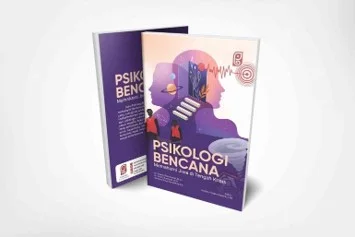
Book Information
Title: Disaster Psychology: Understanding the Human Spirit in Crisis
Author: Dr. Anjarie Dharmastuti, Dr. Tutut Chusniyah, Ikhwanul Ihsan Armalid
Publisher: PT Ganesha Kreasi Semesta
ISBN: 978-634-7403-63-6
Edition: October 2025









Comments 0
Write a Comment Share your response