

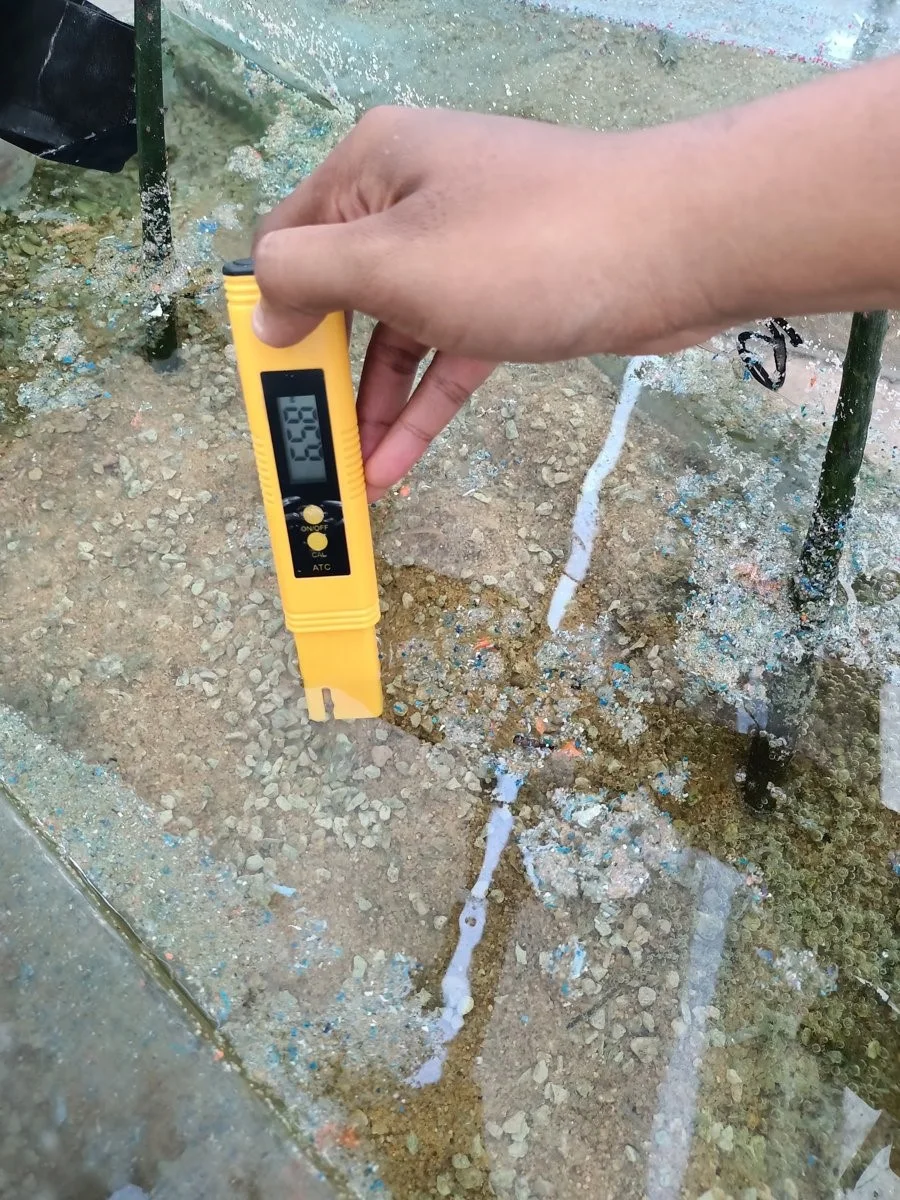
SURABAYA, JurnalPost.com – A research team from the Universitas Pembangunan Nasional (UPN) “Veteran” Jawa Timur is testing the ability of mangroves to act as natural filters for microplastics. Mangrove seedlings were planted in mini reactors using a constructed wetland concept and then supplied with water intentionally contaminated with plastic particles.
Microplastics are plastic fragments measuring less than 5 millimeters. These particles are difficult to decompose and are now found in oceans, sediments, and even mangrove areas. Domestic and industrial waste flowing into coastal regions is one of the primary sources of this pollution.
“Mangrove roots naturally trap particles carried by water. We want to determine if this ability can be utilized in controlled wastewater treatment systems,” said the lead researcher, R. Mohammad Alghaf Dienullah, S.T., M.T., a lecturer in the Environmental Engineering Study Program at the Faculty of Engineering and Science, UPN “Veteran” Jawa Timur.
The research began with an acclimatization phase from July 17–31, 2026. Three mangrove species, namely Avicennia alba, Rhizophora mucronata, and Bruguiera cylindrica, were adapted to water with gradually increasing salinity. The results showed that only R. mucronata remained healthy until the end of the observation, while the other two species lost all their healthy leaves after the salinity increased.
“Species selection is key. This system will not work if the plants are unable to survive,” Alghaf stated.
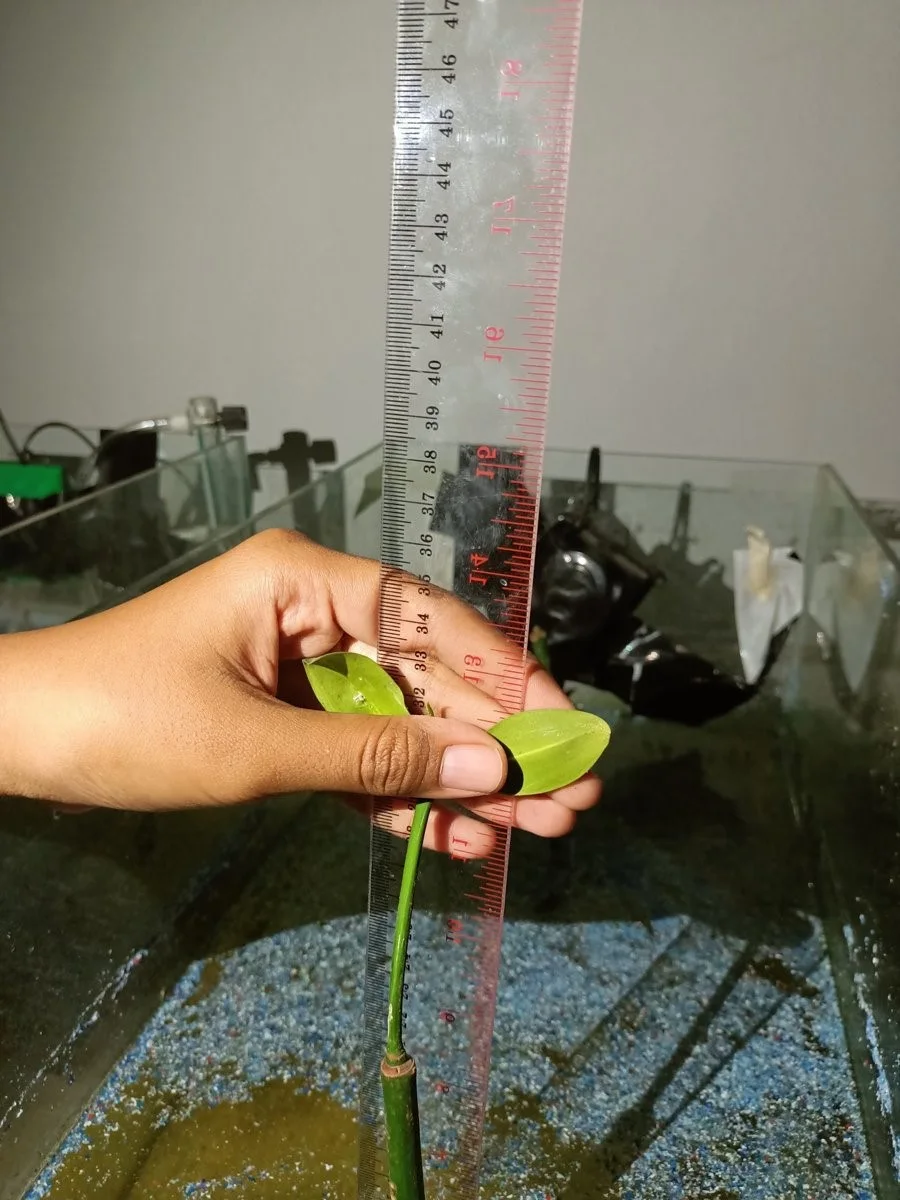
R. mucronata was then planted in eight batch reactors from October 16–27, 2026. The reactors contained artificial water contaminated with polypropylene (PP), high-density polyethylene (HDPE), and polyethylene terephthalate (PET) microplastics, with variations of gravel, silica sand, and adsorbent media. Plant condition and water quality, including pH and TDS, were monitored daily.
During the ten-day observation period, all plants in the reactors survived despite exposure to microplastics. The highest growth, reaching 2.7 centimeters, was recorded in reactors containing gravel and silica sand media.
The next stage involves analyzing microplastic content in the water, sediment, and roots using a microscope and FTIR. This analysis will reveal how many plastic particles were trapped within the system. The team also aims to develop a pilot-scale model for communal wastewater treatment installations in coastal areas.
This research was funded through the 2026 Internal Research Grant of UPN “Veteran” Jawa Timur under the Thematic Research scheme. In addition to Alghaf, the team includes Ariesta Sulistyo Asih, S.T., M.T., Ir. Pertiwi Andarani, S.T., M.T., M.Eng., Ph.D., IPP from the Department of Environmental Engineering at Diponegoro University, as well as UPN “Veteran” Jawa Timur students Dinda Surya Inayah and Bagaskara Irsyad Prasetya. The research findings will be showcased at the RISE-2026 event at UPN “Veteran” Jawa Timur on November 4–5, 2026.








Comments 0
Write a Comment Share your response