


Beef prices in several traditional markets across Jakarta have risen to between Rp150,000 and Rp180,000 per kilogram. Amidst weakening consumer purchasing power, traders are adjusting their stock, prioritizing high-demand cuts, and focusing on loyal customers to keep their businesses afloat.
JAKARTA, JurnalPost.com — The rising cost of beef has become a significant challenge for traditional market traders in Jakarta. At Kebayoran Lama Market in South Jakarta, prices that previously hovered between Rp125,000 and Rp130,000 per kilogram have climbed to approximately Rp150,000 per kilogram. This situation has forced traders to alter their sales strategies to maintain revenue in the face of changing consumer shopping habits.
Based on field observations and reports from several traders, the price hike has occurred gradually over 2026. In other markets, such as Palmerah and Tomang Barat in West Jakarta, beef prices have reportedly reached between Rp150,000 and Rp180,000 per kilogram, depending on the cut and quality.
This environment has placed traders in a difficult position. They must contend with higher procurement costs from suppliers while some customers have begun to reduce their purchase volumes or switch to more affordable protein sources.
Rising Prices, Declining Purchasing Power
The increase in beef prices has altered consumer behavior. Shoppers who previously bought one to two kilograms now tend to limit their purchases to half or a quarter of a kilogram.
Ari, a local trader, revealed that his sales volume has dropped significantly. While he was previously able to sell around 30 kilograms of beef daily, his sales now range between 10 and 20 kilograms.
This decline demonstrates that higher prices do not always translate into higher profits for traders. Although the selling price per kilogram has increased, the reduction in the number of buyers can suppress total business revenue.
Changes in consumer behavior are also evident in the decisions of some households to replace beef with chicken or fish.
Rika, a shopper, admitted that she prefers alternative protein sources because beef has become increasingly difficult to afford for daily consumption.
This phenomenon illustrates the relationship between price and demand in economic activity. When the price of a commodity rises, consumers tend to reduce their purchases or seek lower-priced substitutes.
Traders Increase Stock During High-Demand Periods
Despite the price hikes, observations of five meat stalls in the Kebayoran Lama area show adjustments in supply, particularly ahead of major religious holidays when demand typically spikes.
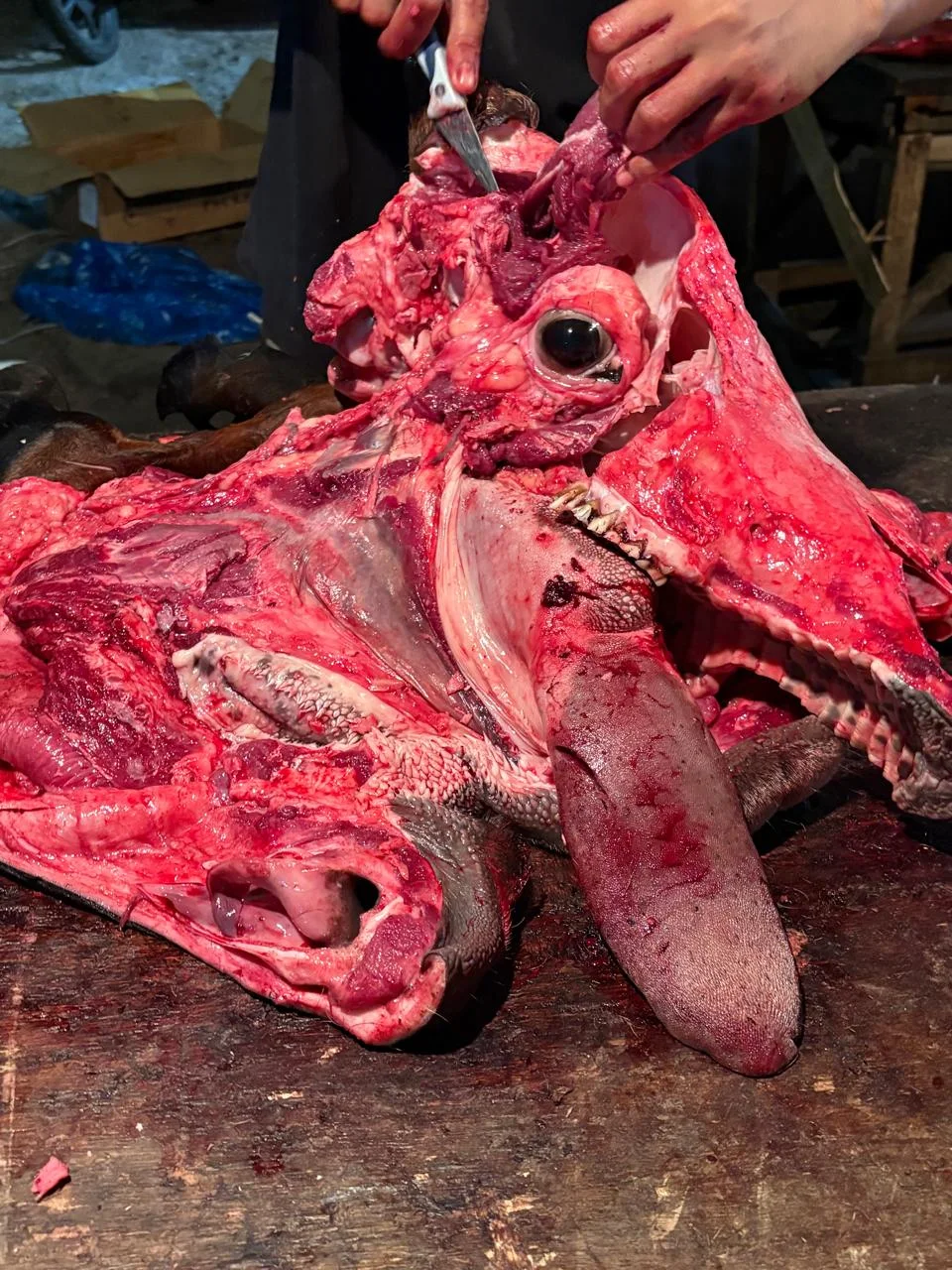
Garip Meat Stall, for instance, increased its supply from approximately 150–200 kilograms to 250–350 kilograms per day. Meanwhile, Rofi Stall increased its supply from around 250 kilograms to 400–500 kilograms per day.
The decision to increase stock is made by weighing potential sales during specific periods. Traders strive to provide more meat when they anticipate higher demand, even while facing the risk of unsold inventory.
Based on calculations from these observations, the price elasticity of supply for primary cuts, such as forequarters and hindquarters, reached approximately 3.09.
This figure indicates that supply is relatively responsive to price changes. A price increase of approximately 23 percent in the calculation used corresponds to an increase in supply of approximately 71 percent.
Economically, this condition is classified as elastic supply. Traders have the capacity to increase inventory through orders for carcasses or cuts from slaughterhouses.
However, the ability to increase stock does not automatically guarantee higher profits. Traders must still account for procurement costs, storage, the risk of product spoilage, and the actual realized demand.
Offal and Oxtail Face Supply Constraints
Unlike primary meat cuts, certain parts of the cow, such as offal and oxtail, face greater supply constraints.
The availability of offal and oxtail is highly dependent on the number of cattle slaughtered. Traders cannot freely increase the supply of these items without obtaining additional stock from suppliers or slaughterhouses.
At Balap Meat Stall, for example, the supply of offal only increased from 20 kilograms to 22 kilograms per day when the price rose from Rp128,000 to Rp150,000 per kilogram.
The calculated price elasticity of supply shows a coefficient of approximately 0.58. This value is classified as inelastic, meaning that price changes are followed by smaller proportional changes in supply.
A similar condition was found at Kidi Meat Stall. Demand for oxtail is reportedly quite high, but availability often fails to meet the total needs of customers.
These findings show that supply responses are not uniform for every type of product, even when they originate from the same commodity.
Frozen Meat Becomes a Consumer Alternative
To cope with shifting purchasing power, some traders have begun adjusting the types of meat they offer.
When the price of high-quality fresh beef reaches Rp160,000 per kilogram, some consumers opt for imported frozen meat or ground beef, which were observed to be priced between Rp90,000 and Rp100,000 per kilogram.
The price difference makes these products a viable alternative for buyers looking to cut expenses.
On the other hand, demand for fresh local meat remains steady among specific customer groups, particularly food business operators such as meatball vendors, Padang restaurants, and soto sellers.
Balap Meat Stall, for instance, provides about 200–250 kilograms of fresh hindquarters daily to serve the needs of culinary sector clients.
This strategy highlights the importance of market segmentation. Traders do not only determine stock levels based on price changes but also consider the specific needs of their consumers.
The prices of complementary products also influence purchasing decisions. Beef trimmings, widely used for soto and meatball broth, reportedly rose from Rp50,000 to Rp70,000 per kilogram.
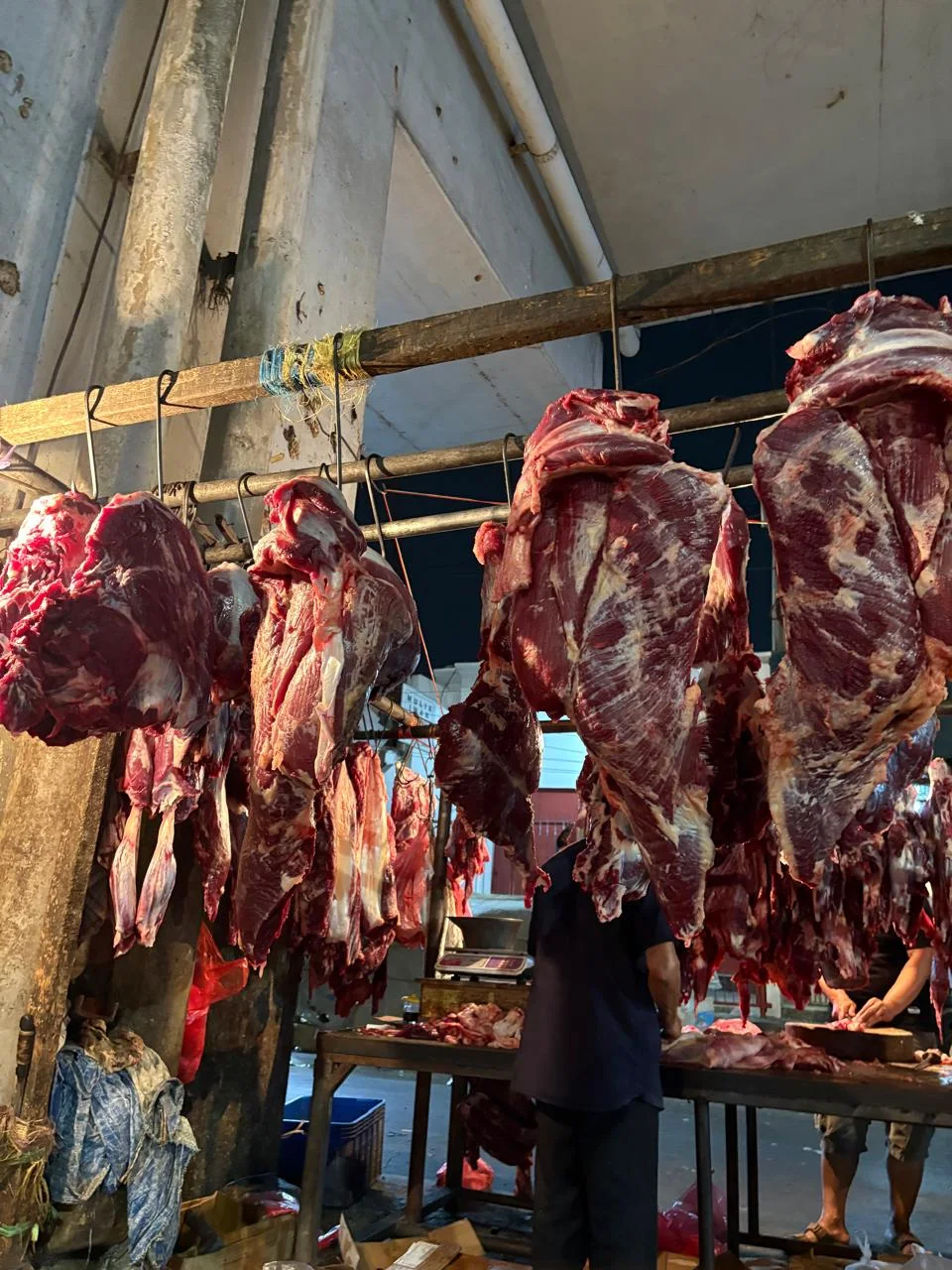
This increase can raise production costs for culinary businesses and influence their purchases of other meat cuts.
Distribution Costs and Import Dependency
The issue of beef prices is not limited to the retail level but is also linked to supply conditions in the upstream sector.
Some of the cattle traded in the Kebayoran Lama area originate from feedlots in Lampung and Central Java.
With long distribution routes, the efficiency of transportation is a critical factor in maintaining supply. Disruptions at crossings, traffic congestion, and rising transport costs can potentially affect the procurement prices for traders.
Field reports also mention adjustments in slaughterhouse operational costs in September 2026, which added pressure to the cost of acquiring carcasses.
On a national scale, dependency on foreign supply remains a challenge.
Based on food balance projections presented by the National Food Agency in July 2026, local cattle and buffalo production is estimated to be equivalent to 421.21 thousand tons of meat, while national demand reaches approximately 794.29 thousand tons.
To meet this demand, the government established a beef import policy on 2026, including an allocation of 250,000 tons for state-owned enterprises and 30,000 tons for private businesses.
Meanwhile, the regional company Perumda Dharma Jaya is taking steps to strengthen Jakarta's supply by procuring live cattle from Australia with a target of 7,500 head throughout 2026.
These efforts are part of a broader strategy to maintain meat availability amidst supply chain pressures and price fluctuations.
Increasing Competition Among Traders
Beyond supply issues, traders at Kebayoran Lama Market must face intense competition among themselves.
Observations show that traders have varying levels of experience, ranging from approximately 1.5 years to 15 years.
The large number of vendors gives consumers plenty of options. Price information is also relatively easy to obtain, forcing traders to carefully balance price, quality, and service to retain customers.
Some traders utilize freezers with a capacity of around 500 liters to maintain inventory when sales fluctuate.
However, the use of storage facilities also increases operational costs, particularly for electricity and maintenance.
Pressure on the beef trade previously triggered a strike by traders in the Greater Jakarta area on 22 January 2026. The action was related to high live cattle prices, rising carcass costs, and weak consumer purchasing power.
The Ministry of Agriculture later announced that traders resumed activities starting 23 January 2026 after an agreement was reached regarding the price and supply of live cattle.
Price Stability Requires Improvements from Upstream to Downstream
Observations in traditional markets show that while traders have several options to maintain business continuity, they are not fully capable of controlling the factors that determine prices.
Increasing stock, selecting high-demand meat types, and managing loyal customers are short-term strategies that can be implemented.
However, long-term price stability requires strengthening domestic cattle production, improving distribution efficiency, and ensuring supply certainty from farmers to the market.
Developing local livestock farming and fostering partnerships between farmers, feedlot operators, slaughterhouses, and traders could be part of the solution to strengthen the supply chain.
For traders at Kebayoran Lama Market, the challenge is not merely selling meat at higher prices, but maintaining a balance between costs, sales volume, and the purchasing capacity of their customers.
Ultimately, business sustainability depends on the ability to read market changes and adjust strategies without compromising product quality.


Comments 0
Write a Comment Share your response