


The author is a student of the Sharia Business Management Study Program, Faculty of Sharia Economics and Business, Tazkia Islamic University.
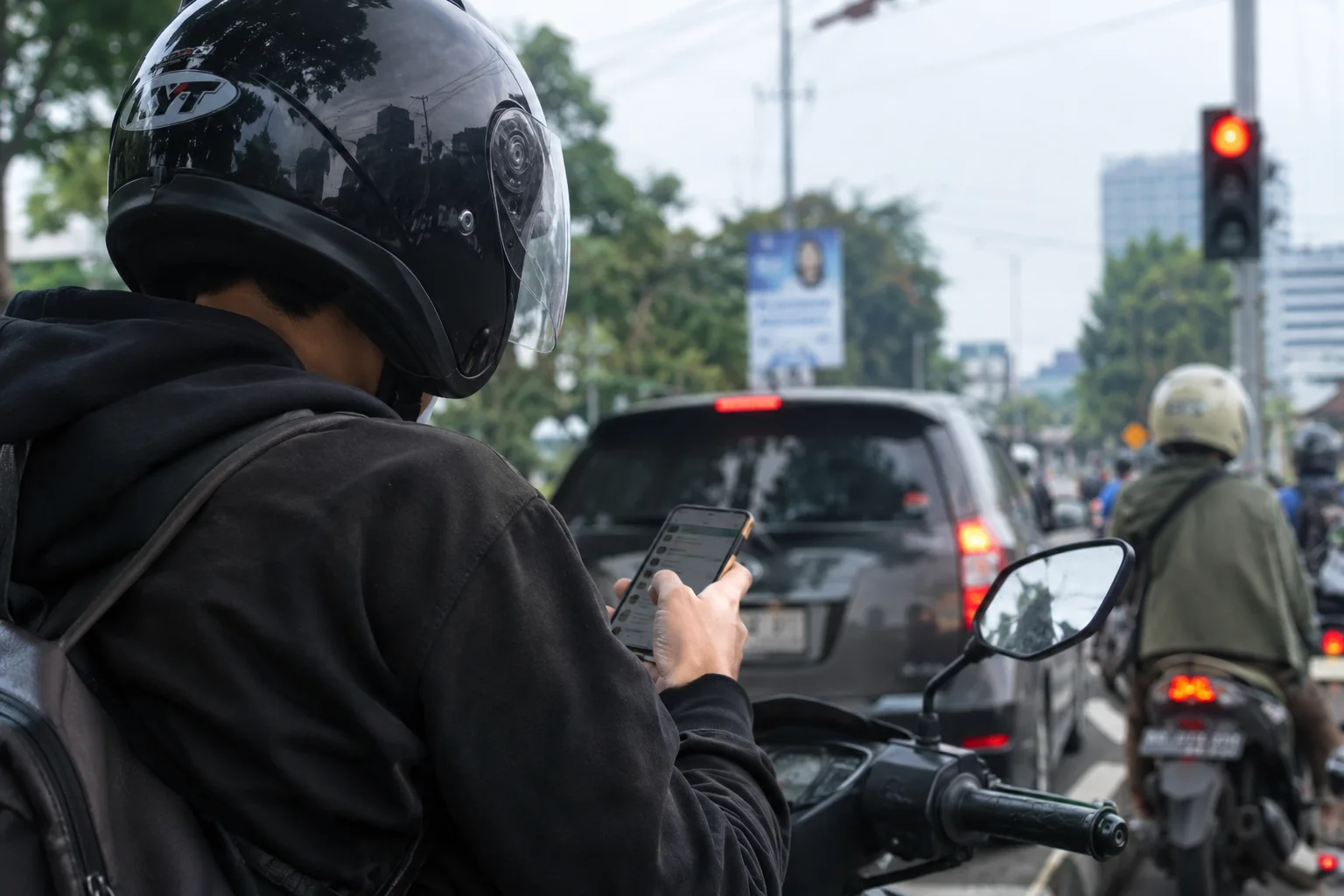
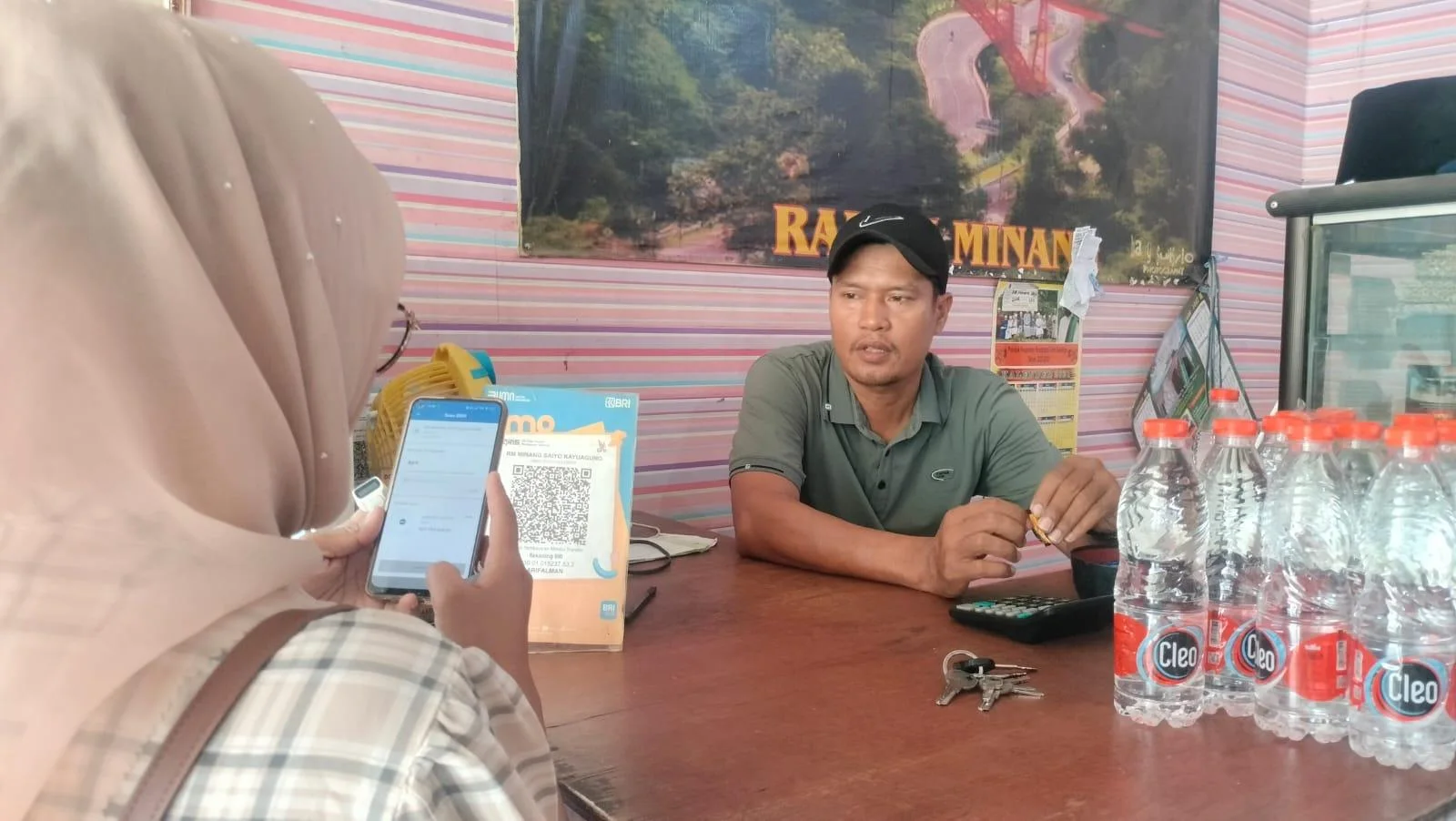
JAKARTA, JurnalPost.com — The development of digital technology has transformed how the public accesses banking services. Transactions that previously required customers to visit a branch office can now be performed via smartphones, ranging from money transfers and bill payments to checking account balances.
This transformation is also taking place in Indonesia's Islamic banking industry. Several banks continue to develop digital-based services to provide convenience while improving the quality of service for customers.
One example is Bank Syariah Indonesia (BSI) through the BYOND by BSI application, which provides access to banking services using digital devices.
However, the convenience of transacting cannot be separated from security issues. The more widespread the use of digital banking services, the more important the protection of personal data and customer funds becomes.
The digitalization of Islamic banking should not only be oriented toward technological development but also ensure that all services can be used safely, easily, and in accordance with Sharia principles.
Transaction Convenience as an Opportunity for Islamic Banking
The service of mobile banking has brought major changes to daily financial activities. Customers are no longer dependent on branch office operating hours to perform various transactions.
This convenience is one of the factors driving the public to use digital banking services. In addition to saving time, banking applications allow transactions to be carried out from various locations as long as internet access is available.
In the theory of Technology Acceptance Model (TAM) introduced by Fred D. Davis in 1989, public acceptance of technology is influenced by two important factors: perceived usefulness and perceived ease of use.
This concept is relevant to the current development of Islamic banking services. An application is not enough just to have many features; it must also provide real benefits and be easily understood by its users.
Research by Nurmajid and colleagues in 2023 regarding the use of mobile banking at Bank Syariah Indonesia found that perceived ease of use and religiosity have a positive influence on the use of these services.
Meanwhile, research by Damayanti and colleagues in 2024 shows that efficiency, security, and ease of use significantly influence customer interest in transacting using mobile banking Islamic banking services.
These findings show that user experience is one of the aspects that needs attention in the development of digital financial services.
For the Islamic banking industry, digitalization also opens opportunities to reach groups of people who are increasingly accustomed to using technology, especially the younger generation.
However, this expansion of access needs to be accompanied by inclusive services so that people with different levels of digital literacy can still utilize the services optimally.
Data Security as the Foundation of Customer Trust
Behind the various conveniences offered, digital banking services face challenges in maintaining the security of customer information and transactions.
The use of banking applications involves personal data, user identities, and financial information that must be protected from unauthorized access.
Risks such as data theft, digital fraud, identity misuse, and account takeovers are issues that need to be anticipated through the strengthening of security systems.
Research by Pambudi and colleagues in 2023 regarding the use of mobile banking at Bank Syariah Indonesia shows that factors of knowledge, trust, security, and ease of use are related to students' interest in using these services.
This shows that customer protection is not just a technical issue, but an important part of building public trust in financial institutions.
Islamic banks need to ensure that technological innovation goes hand in hand with improved personal data protection, transaction monitoring, and the strengthening of security systems.
This step can be taken through the implementation of multi-layered verification, real-time transaction notifications, and the provision of responsive complaint services when customers face obstacles.
Security also requires continuous education for the public, especially in recognizing various modes of fraud that use the name of banking institutions.
Protecting Customer Funds in Line with Sharia Principles
In the perspective of Islamic economics, transaction security is linked to the principle of hifz al-mal, which is the protection of wealth as one of the goals of maqashid syariah.
This principle emphasizes the importance of protecting wealth from actions that can cause loss or misuse.
Therefore, the protection of customer funds and personal information is an important part of the responsibility of Islamic financial institutions.
The values of trust (amanah), responsibility, and justice that form the operational foundation of Islamic banking need to be reflected in the implementation of digital services.
It is not enough for banks to simply provide applications with modern interfaces and complete transaction features. Customers also need assurance that the information and funds entrusted to the banking institution receive adequate protection.
Thus, the application of digital technology should be a means to strengthen service quality while maintaining the principles of Islamic economics.
Balancing Technological Innovation and Customer Protection
One of the biggest challenges for Islamic banking is creating services that can combine ease of use with transaction security.
Applications that are easy to operate but have weak protection have the potential to reduce user trust.
Conversely, security mechanisms that are too complicated can also cause difficulties, especially for customers who are not used to using digital services.
The balance between these two aspects is important so that technological development truly provides benefits to the community.
On the other hand, customers also have a responsibility to maintain the security of their accounts and personal information.
Users of banking services need to understand the importance of keeping their personal identification number (PIN), passwords, and one-time password (OTP) codes confidential, and avoiding suspicious links that claim to be from the bank.
Digital literacy is an inseparable part of the success of banking transformation. Without adequate understanding, the public remains at risk of becoming victims of digital crime even if banking institutions have developed various security features.
Therefore, cooperation between banks, customers, and related parties is needed to build a safe and trusted transaction ecosystem.
The Future of Islamic Banking Depends on Trust
Digitalization provides a great opportunity for Islamic banking to expand service reach and increase competitiveness amidst the development of the financial industry.
The convenience of transactions, time efficiency, and increasingly broad access to services can be supporting factors for the growth of Islamic banking in Indonesia.
However, this development needs to be balanced with the strengthening of system security and increased customer understanding of digital transaction risks.
Islamic banking also needs to maintain its characteristics as a financial institution that prioritizes the principles of trust (amanah) and the protection of wealth.
Ultimately, the success of the digital transformation of Islamic banks is not solely determined by the sophistication of the application or the number of features available.
This success also depends on the ability of banking institutions to provide services that are easy to use, protect customer interests, and maintain public trust on an ongoing basis.
By combining technological innovation, transaction security, and Sharia values, the Islamic banking industry has the opportunity to continue to grow and provide wider benefits for the people of Indonesia.








Comments 0
Write a Comment Share your response