


JurnalPost.com - Waste management remains a persistent environmental issue found in many regions. One habit that has yet to be fully eradicated is the disposal of trash into gutters or drainage channels.
For some, a drain may seem like the most practical place to discard household waste. While the trash may disappear from around the house, it has simply relocated, creating new problems for the environment.
This condition can be observed in several areas in Palembang and Indralaya, Ogan Ilir Regency, South Sumatra. Plastic waste, styrofoam, food packaging, disposable diapers, and various household wastes often accumulate in water channels.
As the volume increases, the waste clogs the drainage flow. Drains that should serve as water disposal routes lose their primary function.
Drains Serve a Vital Function
Drains are not merely channels located on the side of the road or in front of residents' homes. Their existence is a crucial part of a region's drainage system.
These channels function to direct rainwater so it does not pool on roads or enter residential areas. The water is then channeled toward larger waterways before eventually reaching rivers or other disposal sites.
When drainage channels are clean, rainwater flows more smoothly. Conversely, piles of trash can narrow or even completely block the water path.
A single plastic bottle stuck in a channel, for example, can act as a barrier for other debris. Gradually, a larger pile forms until the water flow stops entirely.
The problem is usually felt most acutely during heavy rainfall. Water volume increases while channel capacity decreases due to blockages. As a result, water can overflow onto roads and into residential areas.
Trash in Drains Triggers Pollution
The impact of dumping trash into drains does not stop at flooding.
Organic waste trapped in water channels undergoes decomposition. This condition can create unpleasant odors while simultaneously degrading the environmental quality around residential areas.
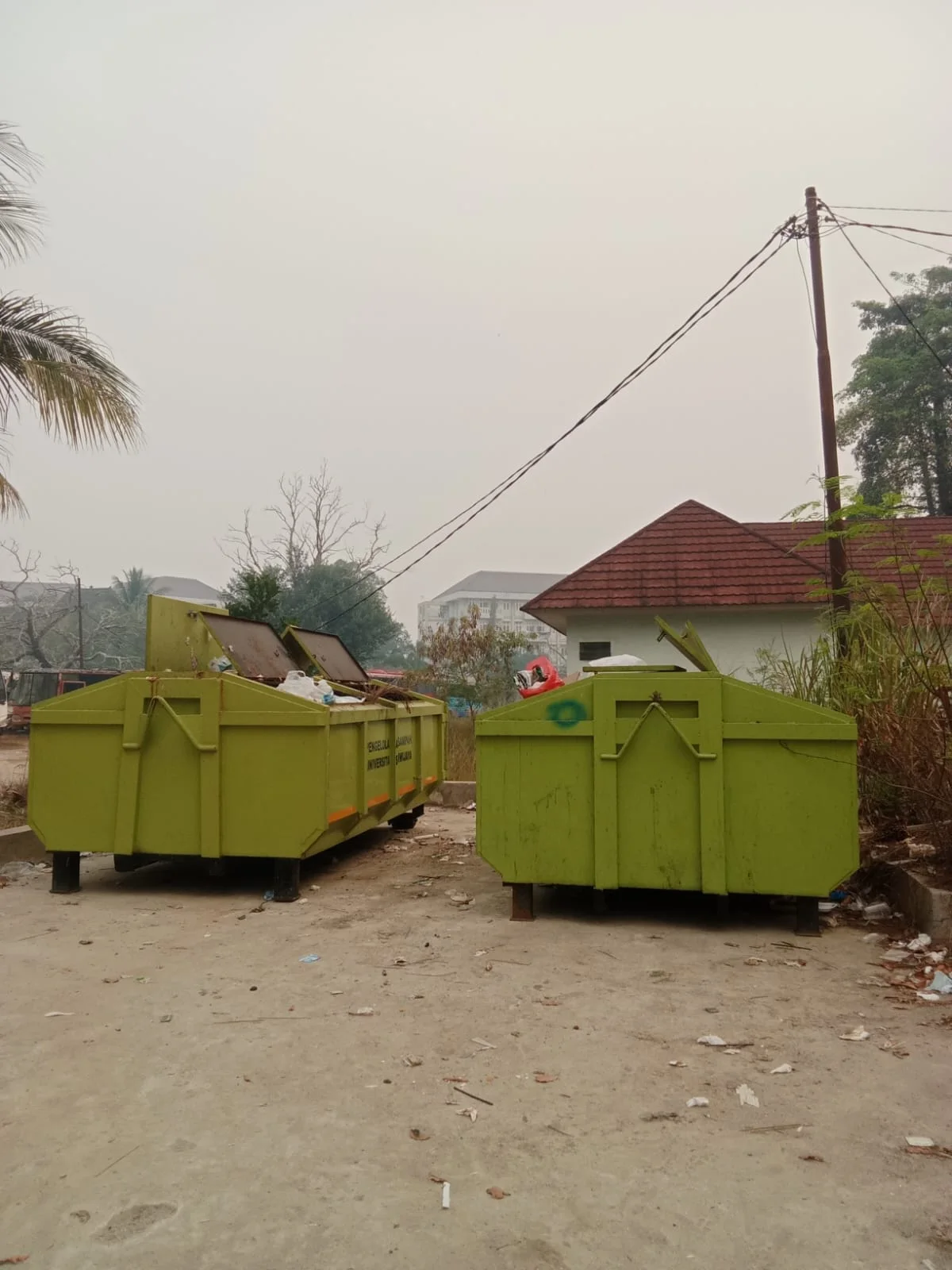
Meanwhile, inorganic waste such as plastic bags, bottles, food packaging, and styrofoam takes a very long time to decompose.
Plastic materials that remain in the environment can also weather into smaller particles, including microplastics. If carried by water flow, this waste can enter rivers and eventually pollute a wider ecosystem.
A problem that initially appears to be confined to the front of a house can evolve into an environmental issue at the regional or river basin level.
A Breeding Ground for Disease
Drains clogged with trash also have the potential to cause public health issues.
Water that does not flow properly can form stagnant pools. Such conditions can become breeding grounds for various types of mosquitoes.
The Aedes aegyptimosquito, for example, is known as a vector for dengue hemorrhagic fever (DHF). Meanwhile, malaria is transmitted through the Anophelesmosquito.
In addition to mosquitoes, environments with significant trash and dirty water channels can attract rats and other insects.
Health risks increase if contaminated dirty water comes into contact with humans. Unhygienic environments can be linked to various health disorders, ranging from skin diseases and diarrhea to leptospirosis, which is associated with bacteria from the urine of infected animals, especially rats.
Equally important, a dirty and foul-smelling environment reduces community comfort. Residents must live with the sight of drains full of trash, unpleasant odors, and the threat of flooding every time it rains.
Change Must Start at Home
Addressing the problem of trash in drains can actually begin with simple actions.
The most fundamental step is to stop throwing trash into water channels, including small items like food wrappers, cigarette butts, tissues, or plastic packaging.
Communities also need to get into the habit of sorting waste at home. Organic and inorganic waste should be placed in appropriate containers before being disposed of through available waste collection systems.
Beyond individual awareness, community cleanup activities (gotong royong) remain relevant. Periodic cleaning of water channels can prevent mud sedimentation and the accumulation of trash from worsening.
However, cleaning drains alone will not solve the problem if the habit of littering continues.
Therefore, local governments, neighborhood officials, and the community must work together. Providing trash bins, regular collection systems, environmental education, and enforcing regulations against littering are all interconnected parts of the solution.
Protecting Drains Means Protecting the Environment
Drains are often considered a minor part of a residential environment. In reality, when these channels fail to function, the impact is felt directly by the community.
Flooding, stagnant water, foul odors, pollution, and increased disease risks can all stem from the simple habit of throwing trash into water channels.
Therefore, keeping drains clean is not just the responsibility of the government or sanitation workers. The community plays an equally significant role.
Change can start right in front of each home: by not throwing trash into water channels, managing waste correctly, and participating in maintaining environmental cleanliness.
Clean drains will ensure smoother water flow, a healthier environment, and help reduce the risk of stagnant water and flooding in residential areas.









Comments 0
Write a Comment Share your response