

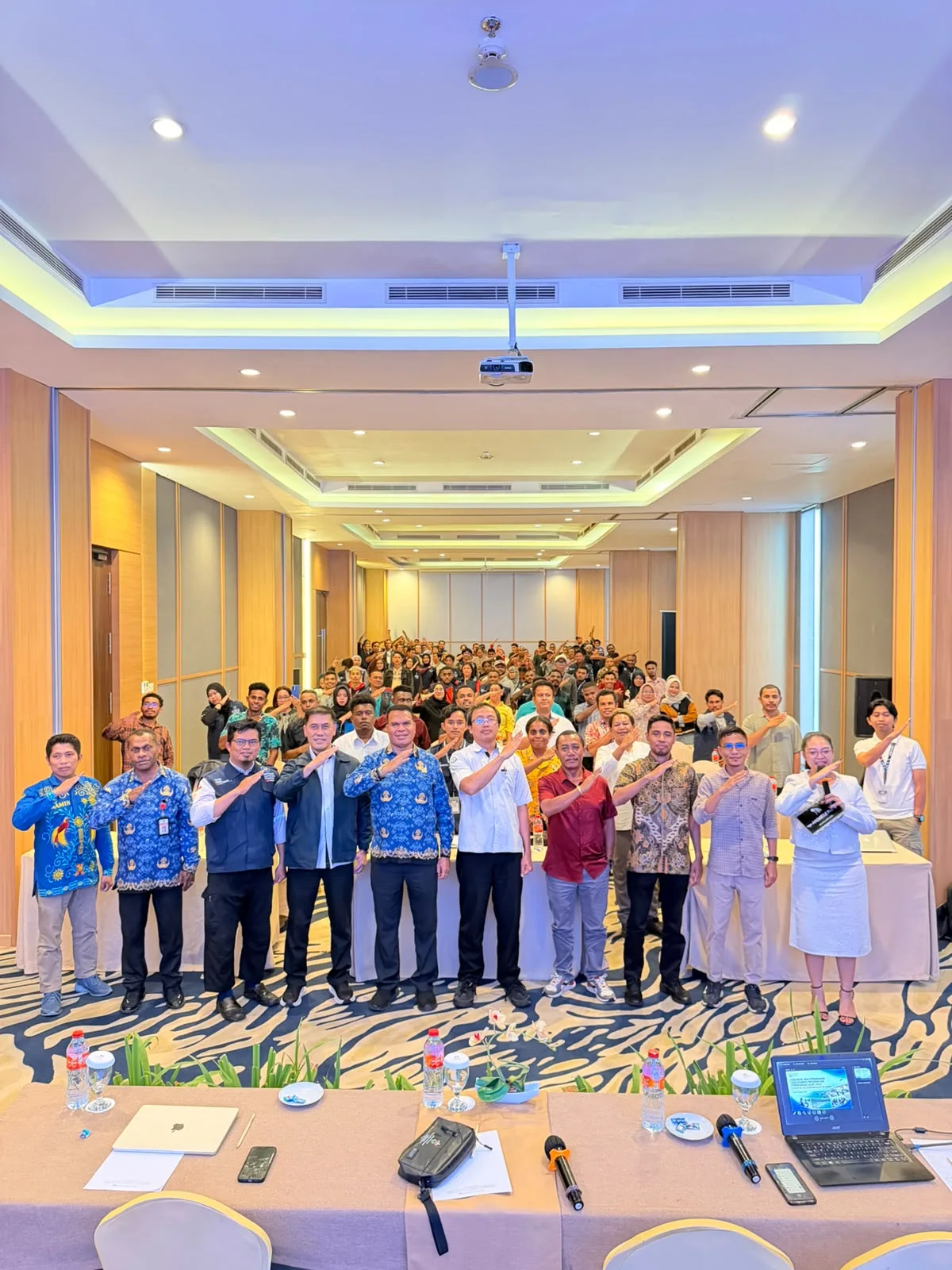
SORONG, JURNALPOST – The Sorong Marine and Fisheries Polytechnic (Politeknik KP Sorong) is taking part in the preparation of candidate locations for the Red and White Fishing Village (KNMP) program for the year 2027 through an assessor training program organized by the Ministry of Marine Affairs and Fisheries (KKP) from 26–30 October 2026.
The involvement of this vocational institution is part of its support for national priority programs in the marine and fisheries sector, specifically ensuring that the development of fishing villages is planned based on community needs and actual field conditions.
The training involved representatives from universities and non-governmental organizations acting as development partners from 37 provinces across Indonesia.
The event was opened nationally by the KKP's Director General of Capture Fisheries, Lotharia Latif, on Tuesday (27/10/2026) via an online platform. Following the opening, participants engaged in a series of technical briefings to prepare for the identification, survey, and assessment process for the 2027 KNMP candidate locations.
The Role of Politeknik KP Sorong in Site Preparation
As a vocational higher education institution focused on marine and fisheries, Politeknik KP Sorong possesses the relevant expertise to support development planning in coastal areas.
Through this training, the institution is participating in strengthening the capacity of the assessment team to ensure that the identification of KNMP candidate locations is conducted objectively, measurably, and in accordance with the conditions of the local community.
Assessing candidate locations is a critical stage before development begins. Beyond evaluating fisheries resource potential, the team must consider land readiness, the availability of facilities and infrastructure, regional accessibility, and the socio-economic needs of the fishing community.
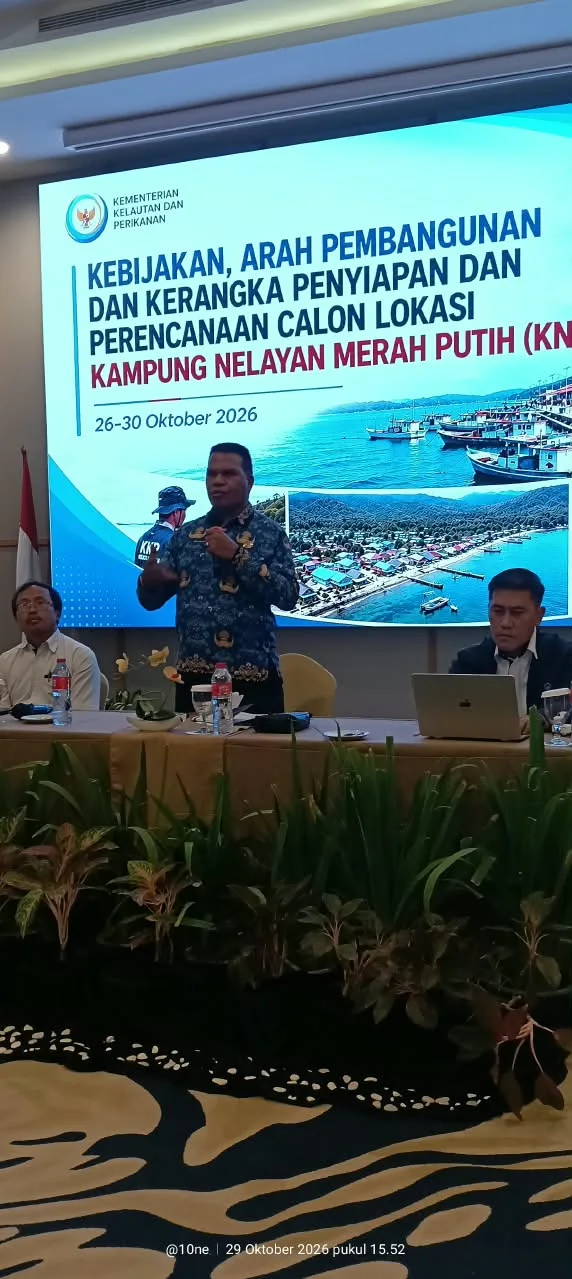
Data obtained from this process is expected to serve as a foundation for determining development sites that are well-targeted and provide sustainable benefits.
The involvement of higher education institutions is also expected to enhance the quality of field information through scientific approaches and the application of applied expertise.
Assessment Team Equipped with Survey Methods and Digital Data Collection
During the training, participants received briefings on various stages of the KNMP site assessment, ranging from initial surveys and information verification to field condition assessments and site readiness facilitation.
The material covered data collection methodologies, interview techniques, field observations, focus group discussions or Focus Group Discussion (FGD), as well as documentation and data verification from various sources.
Participants were also introduced to survey instruments covering six main criteria (K1–K6) and four assessment dimensions (D1–D4).
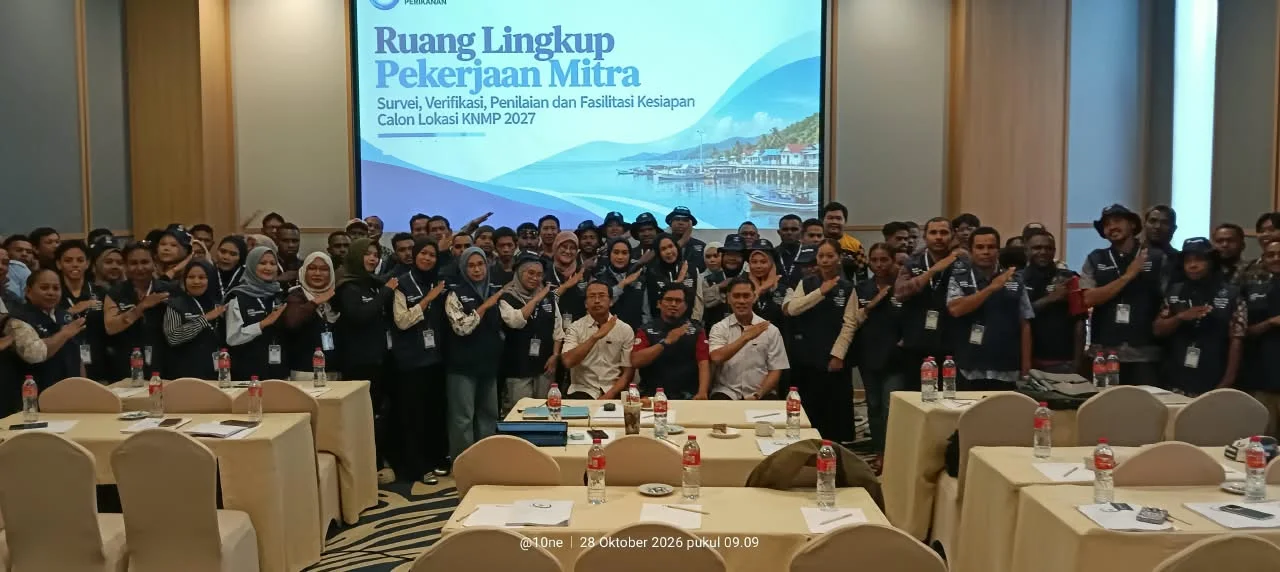
The use of these instruments aims to align understanding among teams when assessing community needs, fisheries potential, site readiness, and the connectivity of the regions targeted by the program.
In addition to assessment methods, participants received training on using the KoBoCollect application to support digital data collection.
This application is utilized for filling out questionnaires, recording observation results, storing supporting documentation, and transmitting field survey data.
The use of this technology is expected to improve the accuracy of record-keeping and facilitate the processing and verification of information obtained by the assessment team.
Red and White Fishing Village Expected to Strengthen Coastal Economy
The Red and White Fishing Village program is directed toward strengthening infrastructure support and the economic activities of fishing communities.
Developing fishing areas is not only about providing physical facilities but also requires attention to the needs of the community in conducting fishing activities, handling catches, distribution, and marketing fisheries products.
Therefore, determining development locations requires studies that consider socio-economic conditions, fisheries business potential, access to basic services, and the readiness of community institutions.
Planning supported by field data is essential so that the facilities built meet the needs and can be utilized optimally by the community.
In this process, the contribution of academics and vocational education practitioners is expected to help identify both the potential and the challenges of coastal area development.
A Manifestation of Collaboration Between Universities and Government
The participation of Politeknik KP Sorong in the KNMP 2027 assessor training also reflects the implementation of the Tridharma Perguruan Tinggi (Three Pillars of Higher Education), particularly through the application of knowledge and practical skills to support community development.
This activity also highlights the importance of collaboration between the central government, local governments, universities, development partner organizations, and the community in planning fishing area development programs.
Through its involvement in the site preparation process, Politeknik KP Sorong is expected to contribute to the availability of accurate and accountable data.
The results of this assessment will later become an important part of supporting the planning of the Red and White Fishing Village for the year 2027, with the goal of strengthening the marine and fisheries sector while improving the welfare of fishing communities.








Comments 0
Write a Comment Share your response