


Surabaya, JurnalPost.com — Legal issues are not always confined to courtroom proceedings. Daily activities, ranging from social media usage and running small businesses to managing family affairs, involve legal aspects that are essential for the public to understand.
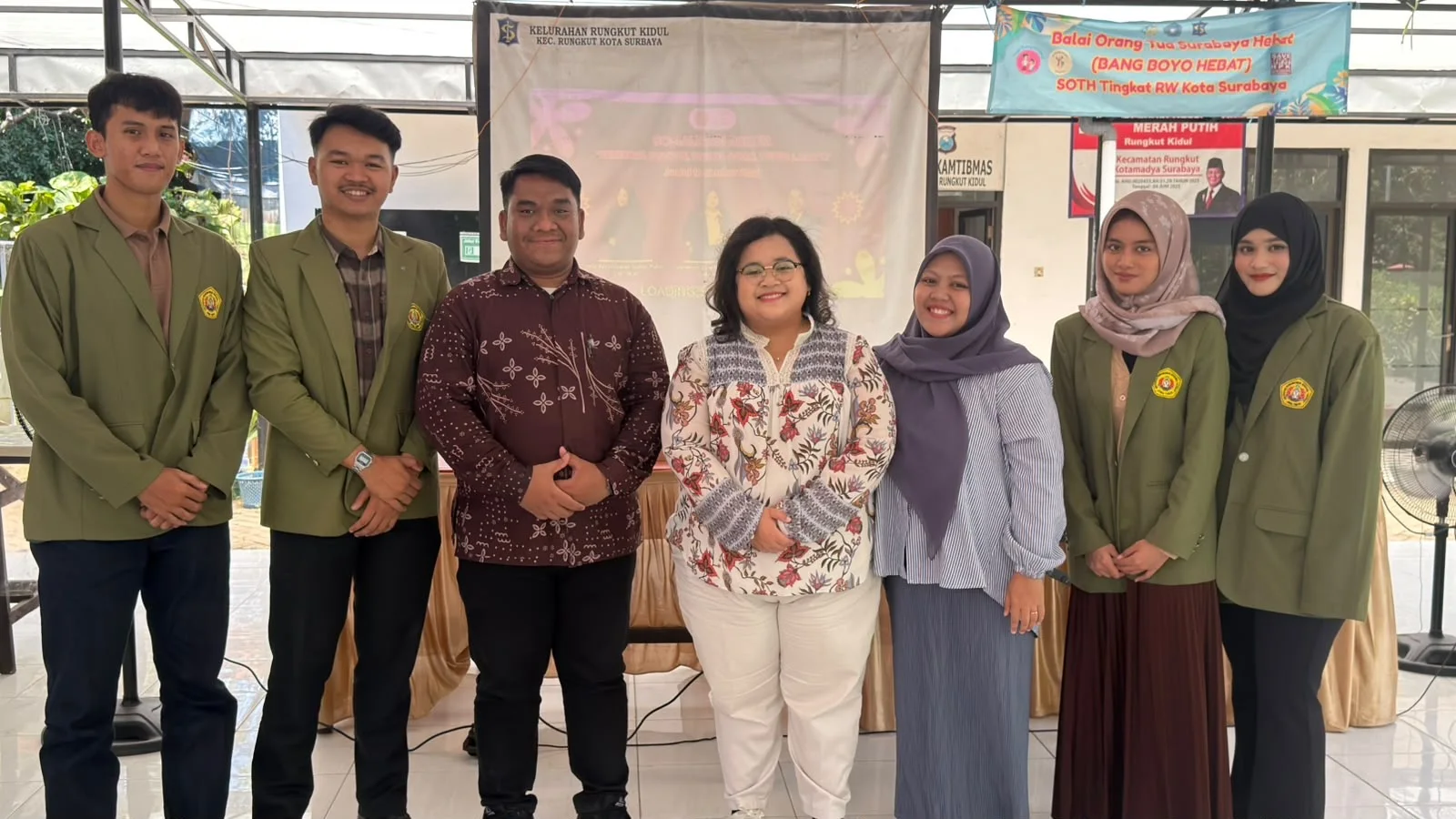
Addressing this need, the Faculty of Law at the Universitas Pembangunan Nasional (UPN) “Veteran” East Java, in collaboration with the Rungkut Kidul Village administration, held a legal outreach program titled “Comfortable Family, Safe Digital, Smooth Business” at the Rungkut Kidul Village Hall, Rungkut District, Surabaya, on Friday (16/10/2026).
The event featured three lecturers from the UPN “Veteran” East Java Faculty of Law as speakers: Veronica Cynthia Wibowo, S.H., M.H., Nur Persmawati Sahar Putri, S.H., M.H., and Budi Prasetyo Margono, S.Pd.I., M.Pd.
The trio addressed legal issues directly relevant to community life, including the legality of micro, small, and medium enterprises (SMEs), social media safety and ethics, and family law.
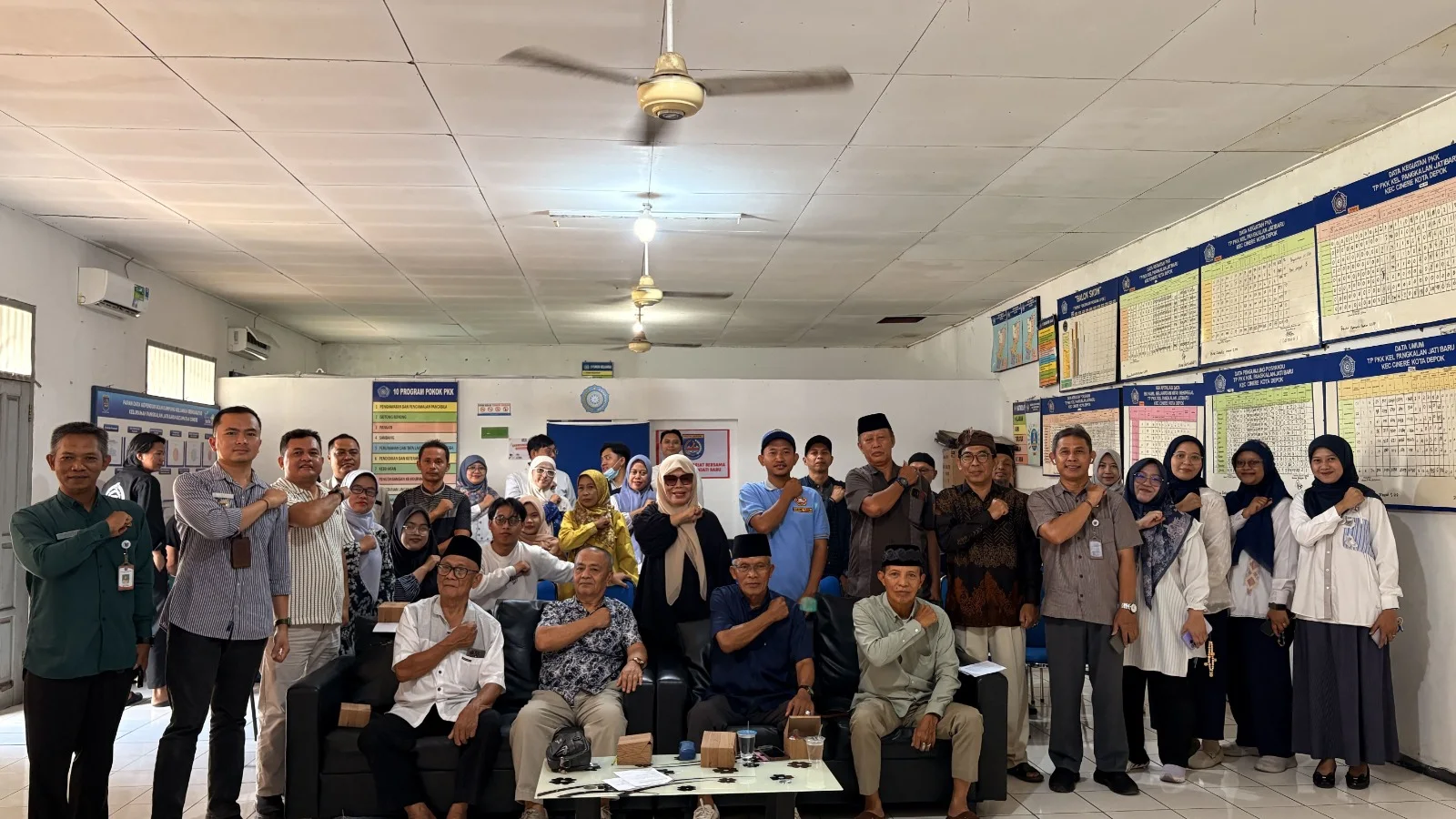
The outreach program was attended by the Head of Rungkut Kidul Village, Anton Susilo, S.T., who delivered opening remarks. Local residents, representatives from neighborhood associations (RW and RT), the Family Welfare Empowerment (PKK) group, and SME owners were also in attendance.
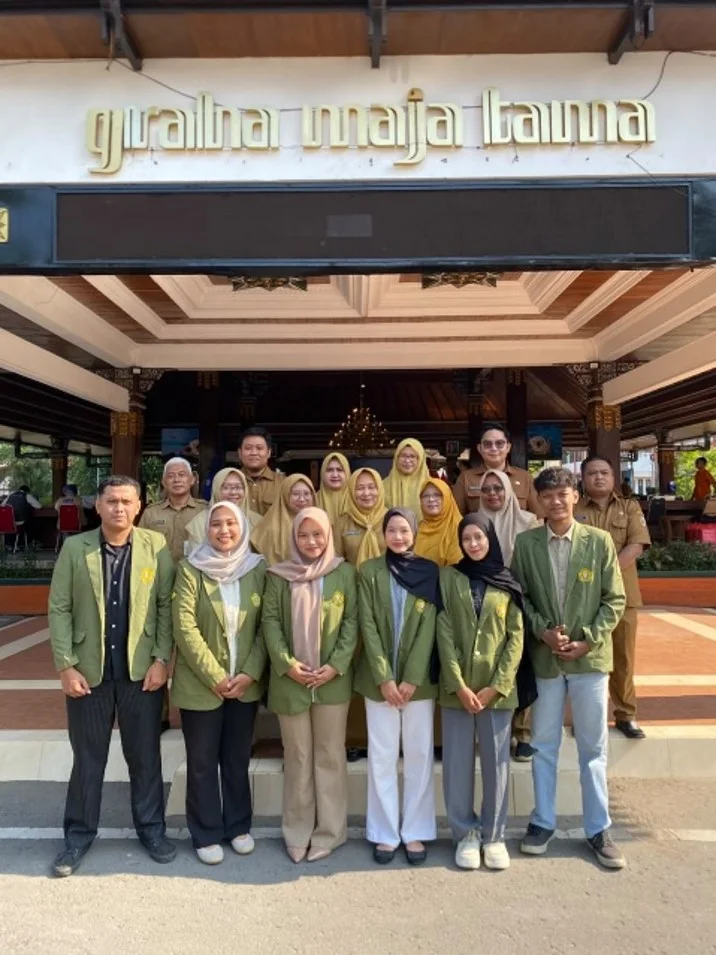
This activity is part of the Village Companion Program of the UPN “Veteran” East Java Faculty of Law which involved students from Group 14, namely Gusti Bagus Satria Aswangga Soegiarto, Rr. Shafa Camila Balqish, Ravelina Destya Suroso, and Fitra Amri Abdan Syakuro.
The four students are currently completing an internship program in Rungkut Kidul. They played an active role in the event as a practical application of the legal knowledge acquired during their studies.
SME Owners Encouraged to Understand the Importance of Business Legality
One of the primary topics discussed was the importance of licensing for SME owners.
This material was presented by Nur Persmawati Sahar Putri, S.H., M.H., who highlighted the role of business legality in supporting community economic activities.
For many small business owners, the primary focus is often on production, marketing, and increasing sales. However, administrative and legal aspects are equally vital for sustainable business operations.
Through this session, participants gained an understanding of the importance of identifying licensing requirements applicable to their specific business types and characteristics.
Legality is not merely about fulfilling administrative requirements; it also supports business growth, builds consumer trust, and expands opportunities for collaboration.
This discussion was highly relevant for Rungkut Kidul residents who own or are starting businesses, ensuring their economic activities have a proper legal foundation.
Using Social Media Wisely to Avoid Legal Trouble
Beyond business licensing, social media usage was another issue highlighted during the event.
Veronica Cynthia Wibowo, S.H., M.H., presented on the importance of understanding ethics and legal responsibilities when operating in the digital space.
Social media is now used not only for communication but also as a platform for sharing information, expressing opinions, and marketing products and services.
However, this convenience carries risks, especially if users are not careful about spreading information, sharing personal data, or uploading content involving others.
In this session, the community was encouraged to be more diligent in verifying information before sharing it and to understand the importance of maintaining privacy in the digital space.
Social media users must also realize that activities conducted online can have legal consequences.
For SME owners, understanding digital security is increasingly important as social media is frequently used for both promotion and customer communication.
Errors in conveying information or using content without respecting the rights of others can lead to issues that may harm the business.
Therefore, digital legal literacy is necessary so that the public can utilize technology more safely and responsibly.
Family Law is Equally Important to Understand
The next session was delivered by Budi Prasetyo Margono, S.Pd.I., M.Pd., who discussed family law and its connection to community life.
The family is the primary environment where individuals build social relationships, understand responsibilities, and exercise their rights and obligations.
However, in daily life, family issues can arise due to differing perspectives, lack of communication, or ignorance of applicable legal provisions.
Through this outreach, participants were encouraged to understand the importance of family law knowledge as a foundation for building a more orderly and harmonious relationship.
Understanding the rights and obligations of family members is necessary so that issues can be addressed appropriately while considering legal provisions.
The discussion on family law complemented the previous two topics, ensuring the education provided covered not only economic and technological activities but also the immediate social environment of the community.
Students Introduce Three Legal Education Posters
Beyond direct presentations, students from the Village Companion Program Group 14 presented educational media in the form of three posters covering digital law, SME licensing, and family law.
These posters were designed to convey legal information through visuals that are simpler and easier to understand.
Through this medium, the public can identify key information from each topic without needing to grasp overly technical legal terminology.
The posters also served as a supplement to the outreach, providing a lasting reference for the community.
For the participating students, creating educational media provided experience in translating academic knowledge into information accessible to the general public.
This experience served as a form of direct learning outside the campus environment, particularly in understanding the legal needs of the community at the village level.
Residents Engage in Discussions on Everyday Legal Issues
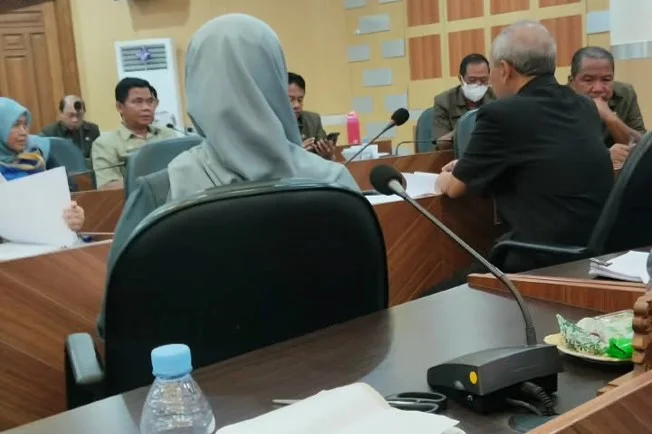
Following the presentations, the event continued with a discussion and Q&A session between participants and the speakers.
Residents had the opportunity to ask questions regarding legal issues related to social media usage, SME licensing, and family life.
This session was a crucial part of the event as it allowed the community to connect the presented material with the conditions they face daily.
The two-way discussion also helped the speakers explain legal issues more contextually, ensuring the event went beyond mere theory.
Through this interaction, it is hoped that legal education will be easier to grasp and serve as a resource for residents in making decisions and navigating issues with legal implications.
Collaboration Between Campus and Village Needs Continued Strengthening
The implementation of this legal outreach in Rungkut Kidul demonstrates how cooperation between universities and village governments can serve as a means to expand public access to legal knowledge.
In this activity, lecturers provided expertise in their respective fields, students supported program execution and the provision of educational media, and the village government facilitated community participation.
The presence of RW, RT, PKK representatives, and SME owners further highlights that the need for legal education spans various segments of society.
Through the Village Companion Program, the UPN “Veteran” East Java Faculty of Law also provides students with the opportunity to understand legal issues directly within the community.
Activities like this can serve as a shared learning space, both for residents needing practical legal information and for students developing their community service experience.
Moving forward, legal education focused on everyday issues is expected to help the public understand their rights, obligations, and responsibilities in family life, digital activities, and business operations.
With better legal understanding, the community is expected to not only know the applicable rules but also be able to apply them to prevent legal issues in their daily lives.



Comments 0
Write a Comment Share your response