


Bogor City, JurnalPost.com – The Plantation Production Technology and Management (TMP) study program at the IPB University Vocational School has carried out a series of Centralized and Integrated Community Service activities with farmer groups in Mulyaharja Village, South Bogor District, Bogor City.
The activities took place in several stages, starting with a Focus Group Discussion (FGD) on Tuesday, September 22, 2026, followed by practical biochar production and land condition assessments on Wednesday, September 23, 2026, and concluding with chili cultivation plot preparation on Sunday, September 27, 2026.
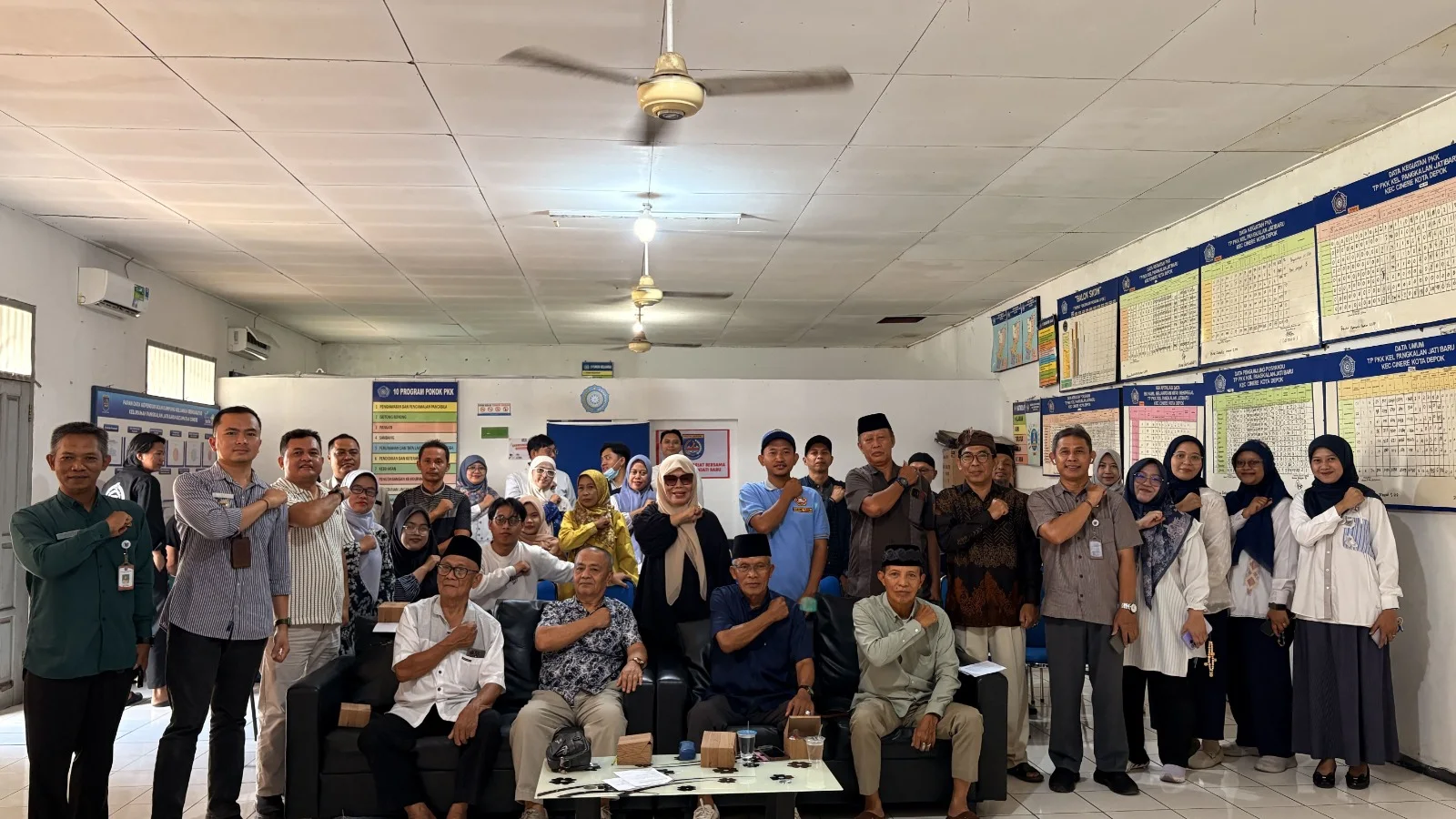
The FGD served as the initial stage to map out land conditions, the needs of the farmer groups, and the planned agricultural activities. Lecturers, the implementation team, and the farmers discussed field conditions while preparing for the chili cultivation project.
The series of activities involved the Ciharashas Women Farmers Group (KWT) located at Jalan Ciharasas Cibeureum No. 10, RT 05/RW 01, Mulyaharja, South Bogor, as well as the Muara Jaya Tani Youth Farmer Group in Pabuaran Pasir RT 03/RW 10, Mulyaharja Village.
Following the FGD, the activities continued on Wednesday with practical biochar production and land condition inspections.
During the session, participants received an explanation on the use of biochar as a soil amendment. Biochar is organic charcoal produced through pyrolysis, a process involving the heating of organic materials at high temperatures in conditions with limited or no oxygen.
Biochar raw materials can be sourced from various organic biomasses, including agricultural waste, forestry waste, sawdust, and other organic materials available near the site.
The farmer groups were also briefed on the processing and preparation stages of biochar before its application to agricultural land.
In addition to the production process, participants were introduced to biochar activation techniques using natural materials that are relatively easy to find. Some materials that can be utilized include rice washing water, palm sugar or molasses, fruit and leaf waste, coconut water, and mature compost.
The selection of materials for the activation process can be adjusted based on local availability. These materials are used as sources of nutrients and microorganisms before the biochar is applied to the soil.
Preparing Beds for Chili Planting
The next stage took place on Sunday, September 27, 2026. The lecturers, the implementation team, and the farmers returned to inspect the condition of the beds to be used for chili cultivation.
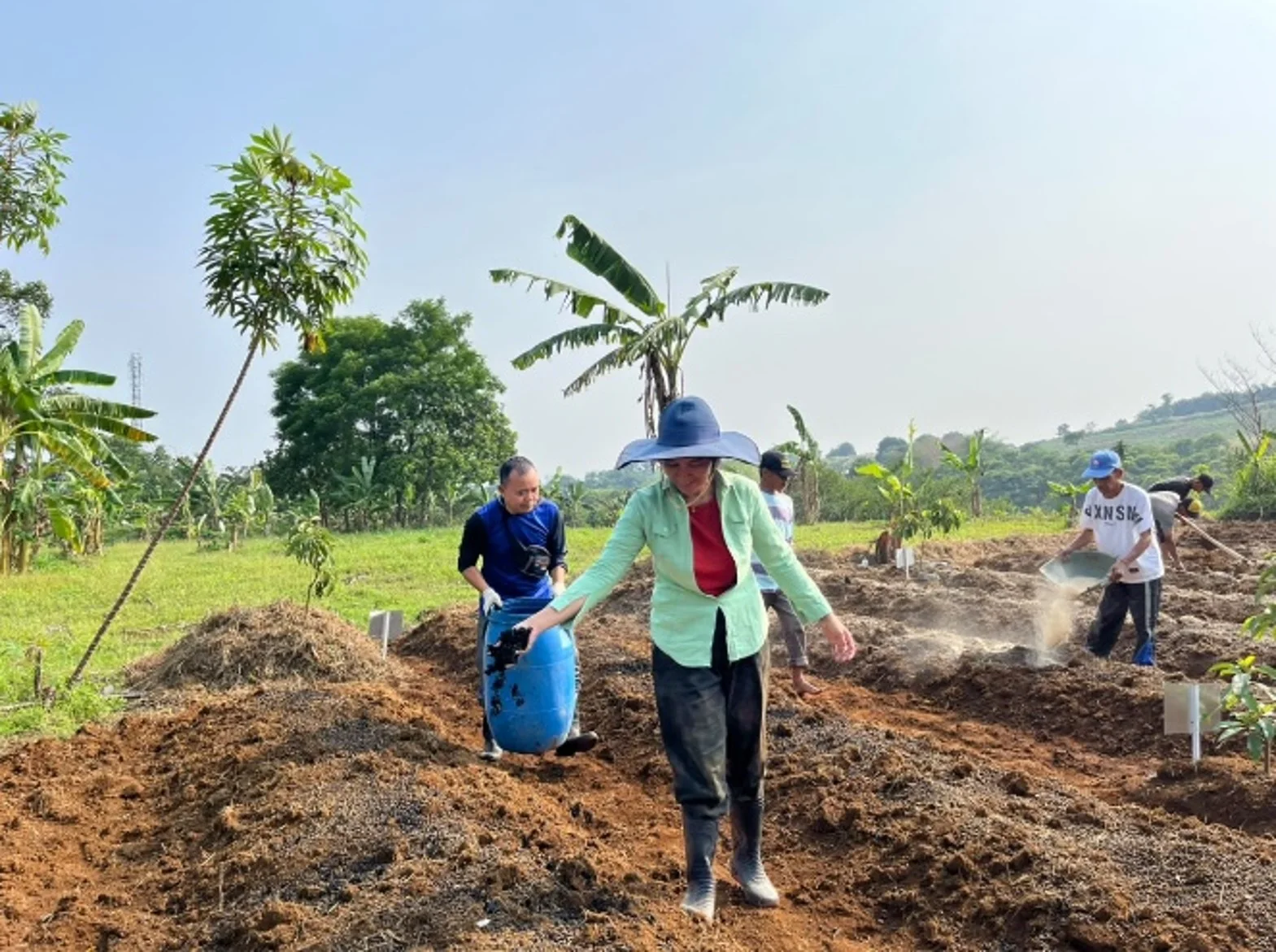
Based on previous measurements, the land contains approximately 12 beds, each measuring roughly 6 meters by 1 meter. Meanwhile, the width of the drainage channels is around 80 centimeters.
During this preparation stage, the prepared biochar was applied to the beds and mixed with the soil as part of the planting medium treatment.
The subsequent stage involved the application of manure and dolomite according to the land preparation plan that had been developed.
After the soil treatment was completed, the participants proceeded with installing mulch on the surface of the beds.
Mulch was installed to prepare the beds before the planting stage and to support land management throughout the chili cultivation process. In practice, the lecturers and the implementation team provided guidance on how to install the mulch by adjusting to the conditions of each bed.
These field activities provided the farmer groups with the opportunity to not only receive theoretical material but also to practice the land preparation process directly.
Through this method, information regarding biochar, soil treatment, fertilization, and mulch installation could be directly applied to the land that will later be used for planting chilies.
Chili Planting Scheduled for October 3
The land preparation on Sunday served as the final stage before the activities move into the chili planting process.
Planting is scheduled to take place on Saturday, October 3, 2026. Before this stage, the land underwent the processes of biochar application, the addition of manure and dolomite, and mulch installation.
The series of Centralized and Integrated Community Service activities by the TMP study program of the IPB University Vocational School in Mulyaharja combined discussions, material delivery, and hands-on practice with the farmer groups.
Once the land preparation stage is complete, the activities will continue with the planting of chilies as the next part of the agricultural mentoring program in Mulyaharja Village.




Comments 0
Write a Comment Share your response