


SLEMAN, JurnalPost.com – UNY community service (KKN) students in Dusun Kepuh, Kepuharjo Village, held an "Early Childhood Savings Education" program on Saturday, August 22, 2026. The activity targeted children in Dusun Kepuh, ranging from kindergarten to elementary school age, as an effort to introduce the importance of saving and basic financial management from an early age. The event was attended by 15 children, consisting of 5 boys and 10 girls. Through this program, children were introduced to simple daily habits for managing money. The education was tailored to the children's age groups to ensure the information was easily understood and applicable.
The program was implemented to improve children's understanding of the importance of saving and to introduce the difference between needs and wants. This introduction is expected to help children understand the simple and wise use of money while fostering a habit of saving from an early age. Understanding needs versus wants is a crucial part of teaching children about money, helping them realize that money does not always have to be spent on everything they desire. With this knowledge, children are encouraged to start setting aside money according to their means.
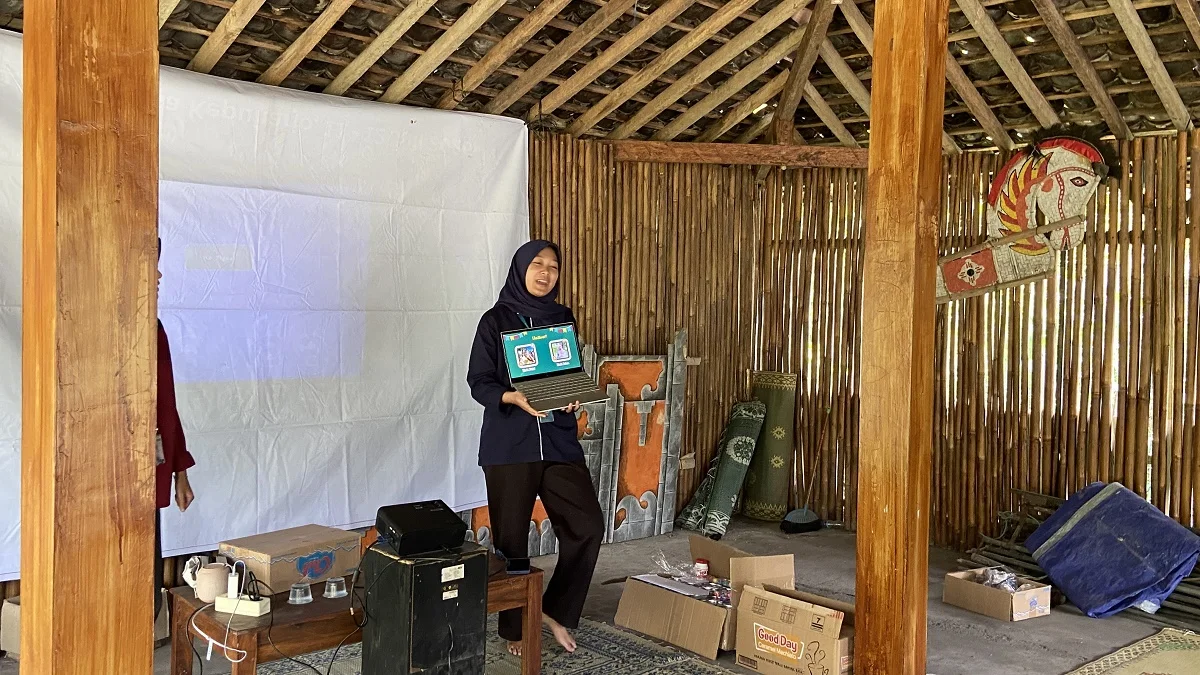
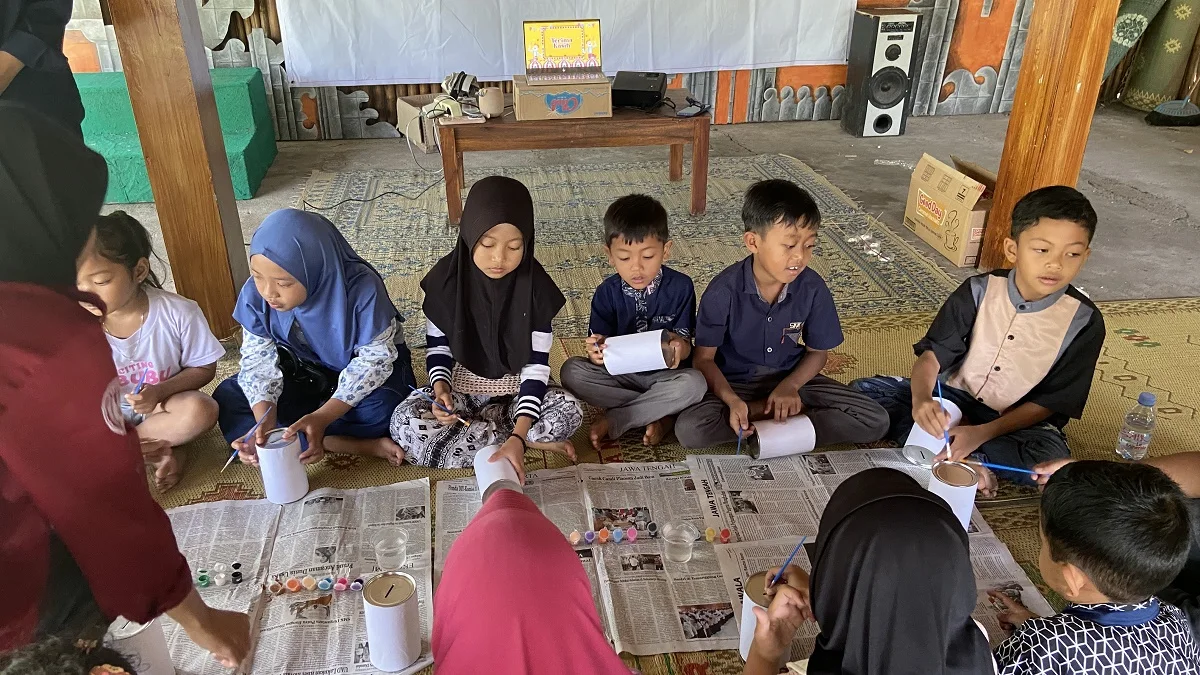
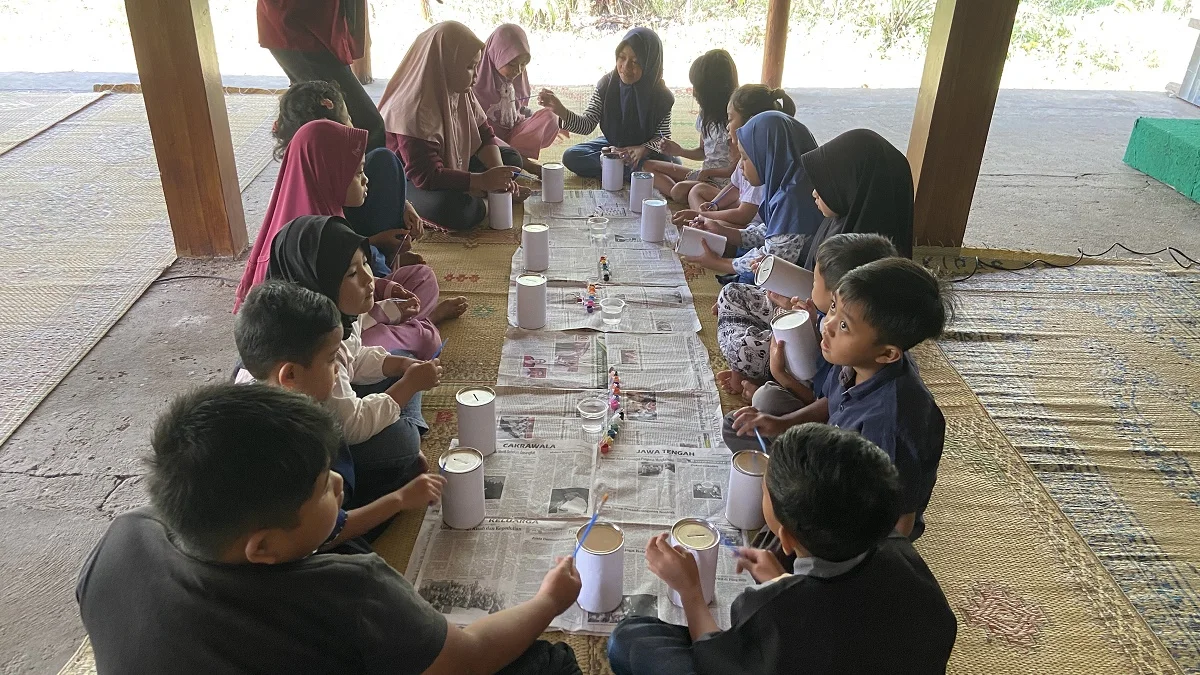
During the session, the KKN students provided education on the definition and benefits of saving, as well as the distinction between needs and wants, using age-appropriate materials. The children learned about these concepts through real-life examples. Following the presentation, the activity continued with a piggy bank decorating session, serving as an interactive and fun learning medium to encourage the habit of saving. This allowed the children to engage directly in the learning process.
Decorating piggy banks provided the children with a hands-on experience, giving them a tool to practice setting aside money. Through this activity, the children not only gained an understanding of the importance of saving but were also encouraged to start applying this habit in their daily lives.
Following the event, the practice of saving began to appear in the daily routines of several children. According to parents, the children have become more enthusiastic about saving and have started setting aside money in their piggy banks. These habits continue to be supported and supervised by parents to ensure they are performed consistently. Parental guidance is a vital component in maintaining the sustainability of the habits introduced during the KKN program. With this support, children can be guided to continue setting aside money and using the piggy banks they decorated.
The emergence of this saving habit shows that the education provided did not end when the activity concluded, as the children have begun to integrate these practices into their daily lives. With parental support, the children are encouraged to maintain this routine.
One parent noted that the program had a positive influence on their child's saving habits. After participating in the piggy bank decorating activity, their child became more diligent in saving, regularly setting aside money to collect for a pair of shoes they wanted. This demonstrates that the program provided an experience that encouraged the child to set a goal for their savings. With such a goal, the child can understand that money set aside incrementally can be used to fulfill a desire through the process of saving.
The sustainability of the program is supported by parental guidance in helping children save regularly. The decorated piggy banks can continue to be used, while parents play a role in monitoring and supporting their children so that the habit of saving is maintained even after the KKN program concludes.
The "Early Childhood Savings" program supports the Sustainable Development Goals (SDGs), specifically SDG 4: Quality Education, by introducing basic financial literacy as a life skill. Education on the benefits of saving is a form of learning that helps children build positive and responsible habits from an early age.
This program was carried out by Febinur Azizah and Mariezcha Aurellia, UNY KKN students. Through this initiative, we hope that the saving habits the children have begun to adopt will be maintained with the support of their parents. This activity serves as a contribution by students to provide education that can be directly applied in the daily lives of the community.



Comments 0
Write a Comment Share your response